

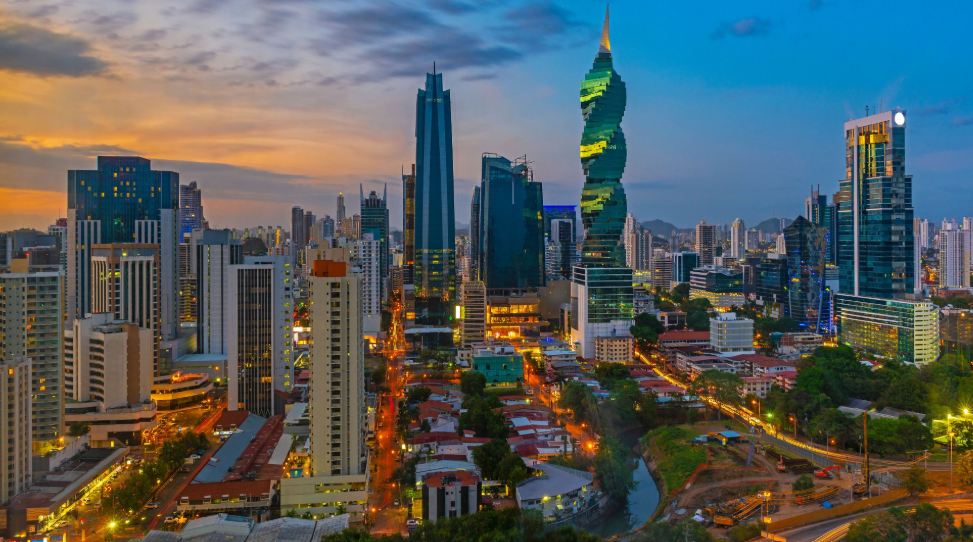
Open a bank account after relocating to Panama:Relocating to Panama is an exciting milestone, but it also comes with a long checklist of practical tasks. Among the most important is opening a local bank account. Whether you’re moving for work, retirement, investment, or starting a new business, having access to local banking services makes everyday life significantly easier.
A local bank account allows you to receive your salary, pay rent, set up utility bills, transfer money domestically, and manage your finances without relying on expensive international transactions. Many countries also require residents to have a local account for tax payments, government services, or obtaining certain permits. Requirements vary by jurisdiction, but most banks follow strict identity verification and anti-money laundering procedures.
In this guide, we’ll explain everything you need to know about opening a bank account after relocating and how to prepare before visiting a bank.
Why Opening a Local Bank Account Matters
Many newcomers assume they can continue using their home country’s bank account indefinitely. While this may work temporarily, it usually becomes inconvenient and costly.
A local account provides several advantages:
- Receive your salary without international transfer fees
- Pay rent and utility bills easily
- Set up automatic payments
- Access local debit and credit cards
- Build a financial history in your new country
- Reduce foreign exchange costs
- Improve access to financial products such as loans or mortgages
For entrepreneurs and investors, a local bank account is often essential for conducting business operations and meeting regulatory requirements.
When Should You Open Your Bank Account?
Ideally, you should begin the process as soon as possible after arriving since its Panama.
Some international banks allow customers to start applications online before relocation, while traditional banks may require an in-person appointment after arrival. Digital banks can sometimes provide a faster solution while you complete your residency documentation.
The earlier you open your account, the easier it becomes to organize other aspects of your relocation.
Documents You’ll Typically Need
Although requirements differ between countries and banks, most financial institutions request similar documentation.
Prepare the following:
- Valid passport
- Residence permit or visa (if applicable)
- Proof of address
- Local tax identification number (if required)
- Employment contract or proof of income
- Initial deposit (when required)
Some banks may ask for additional documents depending on your immigration status, occupation, or country of origin.
Having certified translations available can also speed up the application process if your documents are not in the local language.
Resident vs. Non-Resident Accounts
Many countries offer different banking options for residents and non-residents.
A resident account generally provides:
- Lower banking fees
- More banking services
- Better access to credit products
- Local payment features
Non-resident accounts are usually designed for property buyers, investors, or individuals who have not yet completed residency procedures. They may involve additional documentation or higher maintenance fees.
Understanding which type of account fits your situation can save both time and money.
Choosing the Right Bank
Not every bank is equally suitable for international clients.
Before opening an account, compare:
- Monthly account fees
- ATM availability
- Mobile banking features
- English-speaking customer support
- International transfer costs
- Currency exchange rates
- Online banking capabilities
- Customer service reputation
Some international banks specialize in serving expatriates, while digital banks may offer simpler onboarding and lower fees.
Common Challenges Expats Face
Opening a bank account abroad is usually straightforward, but certain challenges may arise.
Common obstacles include:
The Idea
The Idea on Open a Bank Account After Relocating to Panama is a really good choice, but sometimes it may be a problem.
Incomplete Documentation
Missing proof of address or tax identification is one of the most frequent reasons applications are delayed.
Language Barriers
Some banks operate exclusively in the local language, making communication difficult for new arrivals.
Compliance Checks
Banks must comply with international Know Your Customer (KYC) and Anti-Money Laundering (AML) regulations. These checks may require additional documentation or verification of your source of funds.
Processing Times
Depending on the country, account activation may take anywhere from a few hours to several weeks.
Tips to Make the Process Easier
To avoid unnecessary delays:
- Research banks before relocating
- Book appointments in advance
- Bring both original documents and copies
- Prepare translated documents if necessary
- Ask about online banking setup immediately
- Keep your previous bank account active during the transition
- Review account fees carefully before signing any agreement
Planning ahead significantly reduces stress during your first weeks abroad.
Digital Banks vs Traditional Banks
Digital banking has transformed international relocation.
Many expatriates initially open an account with a digital bank because the process is faster and can often be completed online.
Traditional banks, however, may still be preferable if you plan to:
- Apply for a mortgage
- Establish long-term residency
- Operate a local business
- Build a comprehensive banking relationship
The ideal solution often combines both options.
How Professional Relocation Services Can Help
Opening a bank account may appear simple, but every country has different regulations, documentation requirements, and banking practices.
Professional relocation consultants can help you:
- Understand local banking regulations
- Prepare documentation correctly
- Schedule bank appointments
- Avoid unnecessary delays
- Coordinate banking with immigration and residency procedures
This support can save valuable time and help ensure a smoother transition into your new country.
Open a Bank Account After Relocating to Panama: Final Thoughts
Opening a bank account is one of the most important financial steps after relocating abroad. It supports your daily life, simplifies payments, and creates a strong foundation for your new beginning.
In Panama there are many essentials to oprn a bank account. By gathering the required documents, researching your banking options, and understanding local requirements before you relocate, you can complete the process more efficiently and avoid common mistakes.
If you’re planning an international move, professional relocation guidance can make every stage—from immigration to banking—far more straightforward, allowing you to focus on settling into your new home with confidence.
Panama services: HERE
Panama relocation guide: HERE


Join The Discussion